

Introduction
Table games have long been a popular form of entertainment that brings people together for fun, competition, and meaningful social interaction. Played on a flat surface such as a table, these games typically involve boards, cards, dice, tiles, or small pieces that players move according to specific rules. Unlike many modern digital games, table games encourage face-to-face communication and shared experiences, making them an enjoyable activity for families, friends, and gaming communities.
The appeal of table games lies in their simplicity and versatility. They can be played almost anywhere and usually require only a few physical components to begin. Some table games rely heavily on strategy and planning, while others incorporate elements of luck, creativity, or teamwork. This variety allows players of all ages and skill levels to find games that match their interests and abilities.
Throughout history, table games have been more than just a pastime. Many cultures developed their own unique games that reflected their traditions, values, and ways of thinking. From ancient board games played thousands of years ago to modern tabletop games designed with intricate mechanics and storytelling elements, table games have continuously evolved while maintaining their core purpose: bringing people together for engaging and memorable experiences.
History and Evolution of Table Games
The history of table games dates back thousands of years, making them one of the oldest forms of organized entertainment in human civilization. Long before digital entertainment or even printed books, people created games that could be played on simple boards or surfaces using small pieces, stones, sticks, or carved figures. These early table games were not only recreational but often carried cultural, symbolic, and sometimes even religious significance.
One of the earliest known table games comes from ancient Egypt. Archaeologists have discovered boards of a game called Senet that date back more than 5,000 years. The game was played on a rectangular board with multiple squares, and players moved their pieces according to the throw of sticks or dice. Senet was popular among all social classes, from ordinary citizens to members of the royal family. Some historians believe the game represented the journey of the soul in the afterlife, showing that table games could have deeper meanings beyond entertainment.
Another famous ancient board game is the Royal Game of Ur, which originated in Mesopotamia around 2600 BCE. Beautifully decorated boards found in archaeological sites show that the game was valued by the societies that played it. The Royal Game of Ur combined luck and strategy, and players raced their pieces across the board while avoiding obstacles. Modern researchers have even reconstructed the rules based on ancient clay tablets.
As trade routes expanded and cultures interacted, table games began spreading across different regions. New variations appeared as societies adapted existing games or invented their own. In Asia, the strategic board game Go emerged in China more than two thousand years ago. Go is played on a grid board where players place black and white stones in an attempt to control territory. Despite having simple rules, the game is known for its extraordinary strategic depth and is often associated with intellectual discipline and careful planning.
Mahjong also became an important table game in Asian cultures, especially in China. Unlike board-based games, Mahjong uses tiles similar to dominoes. Players must form specific tile combinations while paying attention to the moves of other players. The game combines memory, observation, and strategic thinking, making it both challenging and entertaining.
In India, another influential table game developed that would later become known worldwide as chess. The early version of chess, called Chaturanga, represented different divisions of an army such as infantry, cavalry, elephants, and chariots. Over centuries, the game traveled to Persia, the Middle East, and eventually Europe, where it evolved into the modern form of chess. Today, chess is widely recognized as one of the most strategic table games ever created.
Europe also saw the growth of many other table games during the medieval and early modern periods. Games involving dice were common in taverns and social gatherings, while card games became increasingly popular after the invention of playing cards in China and their spread to Europe. Cards allowed for a wide variety of gameplay styles, from simple family games to complex strategic contests.
The 19th and 20th centuries marked a significant transformation in the world of table games. Mass production made it possible for companies to manufacture board games and distribute them widely. As a result, table games became common household entertainment in many parts of the world. Families began keeping board games at home for gatherings and leisure time.
During the late 20th century, modern board game design began to evolve rapidly. Game designers started experimenting with new mechanics, themes, and styles of play. Instead of relying solely on traditional formats, they introduced systems involving resource management, storytelling, cooperative gameplay, and creative problem-solving. This period led to the rise of modern tabletop gaming culture.
Today, the world of table games is incredibly diverse. From classic strategy games to innovative modern designs, players can choose from thousands of options. The evolution of table games reflects humanity’s creativity and desire for shared experiences. Even after thousands of years, these games continue to adapt to new generations while preserving the social and strategic elements that have made them popular throughout history.
Types of Table Games
Table games come in many different forms, each offering unique gameplay experiences and challenges. The variety within tabletop gaming is one of the main reasons it remains so popular across different age groups and cultures. Some games focus on strategic thinking, while others emphasize luck, creativity, or teamwork. Understanding the different types of table games helps players choose the ones that best match their interests and playing style.
1. Board Games
Board games are among the most well-known types of table games. These games are played on a board with defined spaces or paths where players move pieces according to rules. Board games often involve strategy, planning, and decision-making. Players must think carefully about their moves while anticipating the actions of their opponents.
Many board games focus on territory control, resource management, or reaching a specific goal before other players. Some are simple enough for children to enjoy, while others require deep strategic thinking and can last for several hours. Because of their structured gameplay and visual design, board games remain a central part of tabletop entertainment.
2. Card Games
Card games are another major category of table games. These games use a deck of cards, and players compete or cooperate based on the combinations, sequences, or values of the cards they hold. Card games are highly versatile because a single deck can be used to play many different games.
Some card games rely heavily on strategy and careful planning, while others include a strong element of luck. Players often need to observe their opponents closely, remember previously played cards, and decide when to take risks. The portability of cards makes them especially popular, as they can be played almost anywhere with minimal setup.
3. Dice Games
Dice games introduce randomness into table games through the roll of dice. The outcome of a dice roll can influence movement, scoring, or other game mechanics. Because dice create unpredictable results, every round of a dice-based game can feel different from the last.
While some dice games depend mainly on luck, others require players to make strategic choices based on the results they receive. This combination of chance and decision-making keeps the gameplay exciting and dynamic.
4. Tile-Based Games
Tile-based games use flat pieces, often made of plastic, wood, or stone, that players arrange or combine in specific patterns. These games often require players to match symbols, numbers, or colors while forming winning combinations.
Tile games typically emphasize pattern recognition, memory, and tactical thinking. Because players must carefully manage the tiles they hold while watching the moves of others, these games often involve both observation and strategic planning.
5. Strategy Table Games
Strategy table games place the greatest emphasis on planning, skill, and long-term thinking. In these games, luck usually plays a smaller role, and success depends on a player’s ability to anticipate moves and create effective strategies.
Players must carefully manage resources, control territory, or position their pieces to gain an advantage. These games often appeal to players who enjoy intellectual challenges and competitive thinking.
6. Party Table Games
Party games are designed to be lighthearted and entertaining, usually for larger groups of players. These games focus more on interaction, humor, and creativity than on deep strategy. Players may be asked to draw pictures, guess words, act out clues, or answer funny questions.
Because the rules are usually simple and easy to learn, party table games are perfect for social gatherings and family events. They encourage laughter, conversation, and participation from everyone involved.
7. Cooperative Table Games
Unlike traditional competitive games, cooperative table games require players to work together toward a shared objective. Instead of trying to defeat each other, players collaborate to overcome challenges presented by the game itself.
These games often involve solving puzzles, completing missions, or managing resources as a team. Communication and teamwork are essential, making cooperative table games an excellent choice for groups that enjoy collaborative problem-solving.
8. Educational Table Games
Educational table games combine entertainment with learning. These games are often used in schools or at home to teach important skills such as mathematics, language development, logical thinking, and problem-solving.
By turning learning into an interactive activity, educational table games help players absorb knowledge in a fun and engaging way. They can be especially helpful for children, as they promote curiosity and active participation.
9. Role-Playing Tabletop Games
Role-playing tabletop games add a storytelling element to traditional table games. In these games, players take on fictional characters and work together to create an unfolding narrative. A game master or storyteller often guides the adventure, presenting challenges and scenarios that players must respond to.
These games encourage imagination, creativity, and teamwork. Players make decisions as their characters, shaping the direction of the story and influencing the outcomes of events.
Conclusion of Types
The wide variety of table games ensures that there is something for everyone. Whether someone enjoys strategic competition, cooperative teamwork, or lighthearted social fun, table games offer countless options. This diversity is one of the key reasons tabletop gaming continues to thrive around the world, attracting both casual players and dedicated enthusiasts.
Benefits of Playing Table Games
Table games offer much more than simple entertainment. While many people play them for relaxation or fun, these games also provide a wide range of mental, social, and emotional benefits. From improving cognitive skills to strengthening relationships, table games play an important role in personal development and social interaction.
1. Improves Critical Thinking and Strategy
Many table games require players to think carefully before making decisions. Strategic games encourage players to plan ahead, analyze situations, and predict possible outcomes. Players often need to consider multiple options and evaluate the risks and rewards of each move.
This process helps develop critical thinking skills and strengthens the ability to solve problems logically. Over time, players become better at analyzing complex situations and making thoughtful decisions.
2. Enhances Memory and Concentration
Table games often require players to remember rules, track the moves of opponents, and keep mental notes about the progress of the game. Card games, tile games, and strategy games especially rely on memory and attention.
Regularly playing these games can improve concentration levels and strengthen memory retention. This benefit is valuable for people of all ages, from children developing learning skills to older adults maintaining mental sharpness.
3. Encourages Social Interaction
One of the most important benefits of table games is the opportunity for face-to-face interaction. Unlike many digital activities that are played alone, table games bring people together in a shared space. Players communicate, laugh, discuss strategies, and react to each other’s moves throughout the game.
This interaction helps strengthen friendships, family bonds, and social connections. Table games often create a relaxed environment where people can enjoy each other’s company while participating in a fun activity.
4. Teaches Patience and Sportsmanship
Playing table games requires players to wait for their turn and respect the rules of the game. This process teaches patience and self-control. Players learn to handle both winning and losing gracefully.
Good sportsmanship is an important lesson that table games naturally encourage. By experiencing competition in a friendly setting, players develop respect for others and learn how to manage emotions during challenging situations.
5. Reduces Stress and Promotes Relaxation
Many people turn to table games as a way to unwind after a busy day. Engaging in gameplay allows players to focus on the present moment rather than worrying about daily pressures. The fun and excitement of the game can provide a mental break from stress.
The social aspect of table games also contributes to relaxation. Sharing laughter and enjoyable moments with others can improve mood and create positive emotional experiences.
6. Builds Communication Skills
Table games often involve discussion, negotiation, and explanation of strategies. Players must communicate clearly with one another, whether they are working as teammates or competing against each other.
These interactions help develop effective communication skills. Players learn how to express ideas, listen to others, and collaborate when necessary.
7. Encourages Creativity and Imagination
Some table games include storytelling elements or open-ended challenges that encourage creative thinking. Players may invent strategies, imagine scenarios, or develop unique solutions to problems presented by the game.
Creative table games stimulate imagination and allow players to explore new ideas in a playful environment.
8. Strengthens Family Connections
For families, table games provide a valuable opportunity to spend quality time together. In a world where schedules are often busy and digital distractions are common, gathering around a table for a game can create meaningful shared experiences.
Parents and children can bond through friendly competition and cooperative challenges. These moments often become cherished memories that strengthen family relationships.
9. Supports Educational Development
Many educators recognize the educational value of table games. Games that involve numbers, patterns, words, or logical puzzles can help reinforce academic skills. When learning is presented in the form of a game, students are often more engaged and motivated.
Educational table games can make complex topics easier to understand by presenting them in an interactive format.
Conclusion of Benefits
The benefits of table games extend far beyond entertainment. They stimulate the mind, encourage social interaction, and promote valuable life skills such as patience, communication, and strategic thinking. Because of these advantages, table games continue to be enjoyed by people of all ages and backgrounds around the world.
Popular Table Games Around the World
Table games are played in almost every part of the world, and many of them have become deeply connected to the cultures where they originated. Some games are known for their strategic depth, while others are famous for their social and entertaining nature. Over time, certain table games have gained global popularity and are now played by millions of people across different countries.
1. Chess
Chess is one of the most famous strategy table games ever created. Played on a square board with sixteen pieces on each side, the objective of chess is to checkmate the opponent’s king. Each type of piece moves in a different way, which creates a complex and strategic battlefield.
The game requires careful planning, foresight, and tactical awareness. Chess has been played for centuries and continues to attract players ranging from beginners to professional grandmasters. International tournaments and championships demonstrate the global appeal of this classic table game.
2. Checkers (Draughts)
Checkers, also known as draughts in some regions, is another widely played board game. It is played on a checkered board where players move their pieces diagonally and attempt to capture their opponent’s pieces by jumping over them.
Although the rules are simpler than those of chess, checkers still requires thoughtful strategy and planning. The straightforward gameplay makes it accessible for players of all ages.
3. Backgammon
Backgammon is one of the oldest known table games that is still widely played today. The game uses a board with triangular spaces, along with dice and playing pieces. Players move their pieces according to the roll of the dice while attempting to remove all their pieces from the board before their opponent does.
Backgammon combines luck and strategy, making each game unpredictable and exciting. Its fast pace and competitive nature have helped maintain its popularity for thousands of years.
4. Mahjong
Mahjong is a traditional tile-based game that originated in China and later spread to many other countries. The game uses a set of tiles with different symbols, and players aim to create specific combinations.
Mahjong requires concentration, memory, and observation skills. Players must pay close attention to the tiles that are played and anticipate the strategies of their opponents. The game is often played socially, making it an important cultural activity in many Asian communities.
5. Dominoes
Dominoes is another popular table game that uses rectangular tiles with numbered ends. Players match tiles with similar numbers and try to be the first to play all their pieces.
Dominoes can be played in several different formats, ranging from simple matching games to more complex strategic variations. Because of its easy rules and fast gameplay, dominoes is enjoyed by people of all ages.
6. Poker
Poker is one of the most well-known card-based table games. Played with a standard deck of cards, poker involves both skill and psychology. Players place bets based on the strength of their hands while trying to read the behavior and decisions of other players.
The strategic depth of poker comes from the balance between probability, risk management, and bluffing. Poker tournaments and competitive events have made the game famous worldwide.
7. Monopoly
Monopoly is one of the most recognized board games in modern times. In this game, players buy properties, collect rent, and try to bankrupt their opponents by building houses and hotels.
The game combines financial strategy with elements of chance. Monopoly is commonly played during family gatherings and social events, and it has become a symbol of classic tabletop gaming.
8. Scrabble
Scrabble is a word-based table game that challenges players to create words using letter tiles on a board. Points are awarded based on the letters used and the positions of the words on the board.
This game encourages vocabulary development, spelling skills, and creative thinking. Because of its educational value, Scrabble is often played in both casual and competitive settings.
Conclusion of Popular Games
The wide variety of popular table games demonstrates how different cultures have contributed to the world of tabletop entertainment. Some games emphasize strategy and skill, while others focus on creativity or social interaction. Together, they show how table games can connect people across languages, traditions, and generations.
Whether played in homes, clubs, or competitive tournaments, these games continue to bring enjoyment and excitement to players around the world.
The Growing Popularity of Modern Tabletop Gaming
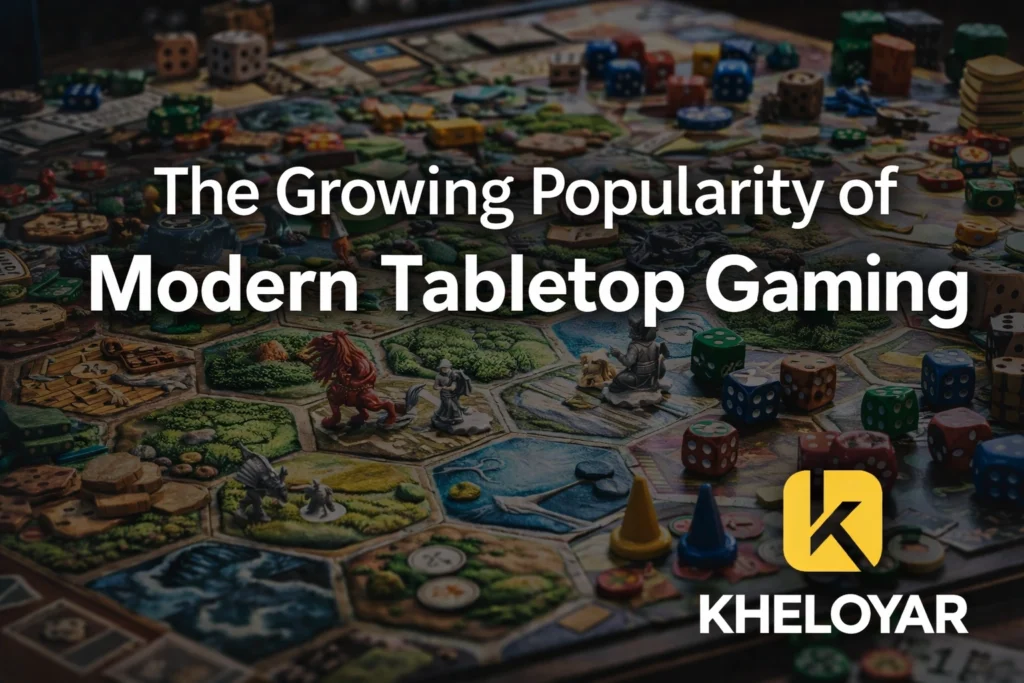
In recent decades, table games have experienced a remarkable revival. While traditional games such as chess and card games have always remained popular, modern tabletop gaming has introduced a new generation of games that combine creativity, strategy, storytelling, and innovative mechanics. This growth has transformed table games from simple household activities into a thriving global hobby.
One of the main reasons for this resurgence is the creativity of modern game designers. Today’s board games often include unique themes, detailed artwork, and complex mechanics that provide immersive experiences. Players may manage resources, build civilizations, explore imaginary worlds, or solve mysteries together. These creative designs make modern table games engaging and memorable.
Another factor contributing to the popularity of tabletop gaming is the rise of board game cafes and gaming communities. In many cities around the world, cafes now offer large collections of board games that customers can play while enjoying food and drinks. These spaces allow people to discover new games and meet others who share their interests. The social atmosphere of these venues has helped expand the tabletop gaming culture.
Gaming conventions and events have also played an important role in the growth of table games. Large gatherings dedicated to tabletop gaming allow enthusiasts to try new games, participate in tournaments, and meet game designers. These events celebrate creativity and innovation while strengthening the global gaming community.
Online platforms and social media have further increased awareness of table games. Content creators frequently share reviews, tutorials, and gameplay sessions that introduce audiences to different games. Watching others play can inspire viewers to try the games themselves, leading to increased interest in tabletop gaming.
Another interesting development is the blend of traditional and digital experiences. Some modern table games include companion mobile apps that enhance gameplay. These apps might provide sound effects, track scores, manage game events, or guide players through story-driven adventures. This combination of physical and digital elements creates new possibilities for game design.
The diversity of modern table games is another key reason for their growing popularity. Designers now create games for different audiences and play styles. Some games are short and simple, perfect for casual gatherings. Others are deep strategic experiences that challenge experienced players for hours.
Cooperative games have become particularly popular in modern tabletop gaming. In these games, players work together against the game system instead of competing against each other. This format encourages teamwork and communication, making it appealing for families and groups of friends.
The artistic quality of modern table games has also improved significantly. Beautiful illustrations, high-quality components, and detailed miniatures enhance the visual appeal of many games. For collectors and enthusiasts, these elements make table games enjoyable not only to play but also to display.
Educational institutions have also begun to recognize the value of tabletop games. Teachers sometimes use them as tools to promote learning, teamwork, and critical thinking. By combining fun with intellectual challenges, table games can create a dynamic learning environment.
Another reason for the renewed interest in table games is the desire for meaningful social interaction. In a world where much communication happens online, many people appreciate activities that encourage face-to-face conversation. Table games provide a natural setting for discussion, laughter, and shared experiences.
The tabletop gaming industry has grown significantly as a result of this increasing interest. Independent designers and publishers continue to introduce innovative titles every year. Crowdfunding platforms have made it easier for creators to bring their ideas to life by connecting directly with supporters who are excited about new games.
This growth has also led to greater diversity in game themes and narratives. Modern table games explore a wide range of topics, including history, science fiction, fantasy, mystery, and exploration. Players can experience adventures that transport them to different times, places, and imaginary worlds.
Despite these modern developments, the core appeal of table games remains the same. People gather around a table, follow a set of rules, and enjoy the excitement of shared gameplay. Whether simple or complex, traditional or modern, table games continue to create memorable moments for players everywhere.
The ongoing evolution of tabletop gaming suggests that the future of table games will be just as creative and exciting as their past. As designers experiment with new ideas and players continue to embrace the hobby, table games will remain an important and enjoyable part of global entertainment culture.
Tips for Enjoying Table Games and Improving Your Gameplay

While table games are meant to be fun and entertaining, improving your approach to playing them can make the experience even more enjoyable. Whether you are playing with family, friends, or in a competitive setting, a few simple habits can help you get more out of every game session. Understanding strategies, maintaining good sportsmanship, and staying engaged with other players are all important aspects of tabletop gaming.
1. Learn the Rules Carefully
Before starting any table game, it is important to understand the rules. Many players make the mistake of rushing into a game without fully understanding how it works. Taking a few minutes to read the instructions or listen carefully to an explanation can prevent confusion during gameplay.
Knowing the rules allows players to focus on strategy rather than constantly asking questions about how the game works. It also helps ensure that everyone is playing fairly and enjoying the experience.
2. Observe Other Players
Observation is an important skill in many table games. Paying attention to how other players make decisions can provide valuable insights into their strategies. By watching their moves, you may be able to anticipate their next actions and adjust your own plans accordingly.
This skill is especially useful in strategy-based games where predicting your opponent’s moves can give you a competitive advantage.
3. Develop Strategic Thinking
Many table games reward players who think several steps ahead. Instead of focusing only on your current move, try to consider how your decisions will affect future turns. Planning ahead can help you avoid mistakes and create stronger strategies.
Even in games that include elements of luck, thoughtful decision-making often plays an important role in determining the outcome.
4. Stay Patient and Focused
Table games often require patience. Waiting for your turn, analyzing the board, and carefully considering your options can sometimes take time. Remaining calm and focused allows you to make better decisions and enjoy the process of gameplay.
Patience also helps maintain a relaxed and friendly atmosphere, especially when playing in groups.
5. Communicate and Interact
One of the most enjoyable aspects of table games is the opportunity to interact with others. Engaging in friendly conversation, sharing reactions to unexpected moments, and celebrating clever moves all contribute to the overall experience.
Good communication is especially important in cooperative games where teamwork is required to achieve success.
6. Practice Regularly
Like any activity that involves skill, playing table games regularly can improve your abilities. The more you play, the more familiar you become with different strategies, patterns, and gameplay techniques.
Regular practice also helps players develop intuition about when to take risks and when to play cautiously.
7. Maintain Good Sportsmanship
Winning and losing are both natural parts of playing games. Good sportsmanship means respecting your opponents regardless of the outcome. Congratulating others on their successes and accepting defeats gracefully helps create a positive gaming environment.
Remember that the main purpose of table games is enjoyment and shared experiences rather than simply winning.
8. Explore Different Types of Games
Trying different types of table games can broaden your understanding of tabletop gaming. Each game offers unique mechanics and challenges that can help you develop new skills.
Exploring new games also keeps the experience fresh and exciting. Whether you enjoy strategy games, party games, or cooperative adventures, experimenting with different styles can reveal new favorites.
9. Create a Comfortable Gaming Environment
A comfortable setting can greatly enhance the gaming experience. Make sure there is enough space for the game components and that all players can easily see the board or cards. Good lighting and a relaxed atmosphere also contribute to a more enjoyable session.
Many players like to combine table games with snacks or drinks, turning the activity into a social event.
10. Focus on Enjoyment
Finally, the most important tip is to focus on having fun. While strategy and competition are part of many table games, the real value lies in the shared experience. Laughing with friends, discovering new games, and creating memorable moments are what make tabletop gaming truly special.
By approaching table games with curiosity, patience, and a positive attitude, players can turn every session into an enjoyable and rewarding experience.
Conclusion
Table games have been an important part of human entertainment for thousands of years. From ancient civilizations to modern gaming communities, these games have continued to evolve while preserving their ability to bring people together. Their combination of strategy, creativity, and social interaction makes them a unique form of recreation.
The wide variety of table games ensures that players of all interests and skill levels can find something they enjoy. Whether someone prefers strategic challenges, cooperative adventures, or lighthearted party games, tabletop gaming offers countless possibilities.
Beyond entertainment, table games also provide valuable benefits such as improving critical thinking, strengthening relationships, and encouraging communication. They create opportunities for learning, collaboration, and friendly competition in a relaxed environment.
As the popularity of tabletop gaming continues to grow, more people are discovering the joy of gathering around a table to share an engaging experience. In a fast-paced digital world, table games remind us of the simple pleasure of spending time together, thinking creatively, and enjoying the thrill of play.
Frequently Asked Questions (FAQs) About Table Games
1. What are table games?
Table games are games played on a flat surface such as a table. These games usually involve boards, cards, dice, tiles, or small pieces that players move according to specific rules. Table games are popular for both casual entertainment and competitive play.
2. What are the most common types of table games?
The most common types of table games include board games, card games, dice games, tile-based games, strategy games, cooperative games, and party games. Each type offers a different style of gameplay, ranging from deep strategic thinking to light social interaction.
3. Are table games suitable for all age groups?
Yes, table games are designed for players of different ages. Many games are created specifically for children, while others are intended for teenagers or adults who enjoy strategic challenges. Families often choose table games because they can be enjoyed together by players of various age groups.
4. Do table games require special skills to play?
Most table games are easy to learn and do not require special skills. However, some strategy-based games may require practice, planning, and experience to master. Over time, players naturally improve their skills through regular gameplay.
5. Why are table games becoming popular again?
Table games are becoming popular again because people enjoy social activities that allow them to interact face-to-face. Many modern table games also offer creative themes, cooperative gameplay, and innovative mechanics that make them engaging and enjoyable.
6. Can table games help improve thinking skills?
Yes, many table games encourage critical thinking, problem-solving, and strategic planning. Games that involve puzzles, strategy, or decision-making can help players develop mental skills and improve concentration.
7. Where can people play table games online?
Many gaming platforms now allow players to explore different table games and gaming experiences online. One example is kheloyaar, where users can explore a variety of gaming options and enjoy interactive gameplay experiences.
8. Are table games only for entertainment?
Although table games are primarily played for entertainment, they also provide educational and social benefits. They help build communication skills, encourage teamwork, and create opportunities for people to connect and spend quality time together.
9. How long does a typical table game last?
The duration of a table game depends on the type of game being played. Some quick games may last only 10 to 20 minutes, while more complex strategy games can last several hours.
10. What makes table games different from digital games?
The main difference is the physical and social interaction involved in table games. Players sit together around a table, handle physical components, and communicate directly with each other, which creates a more personal and engaging experience compared to many digital games.